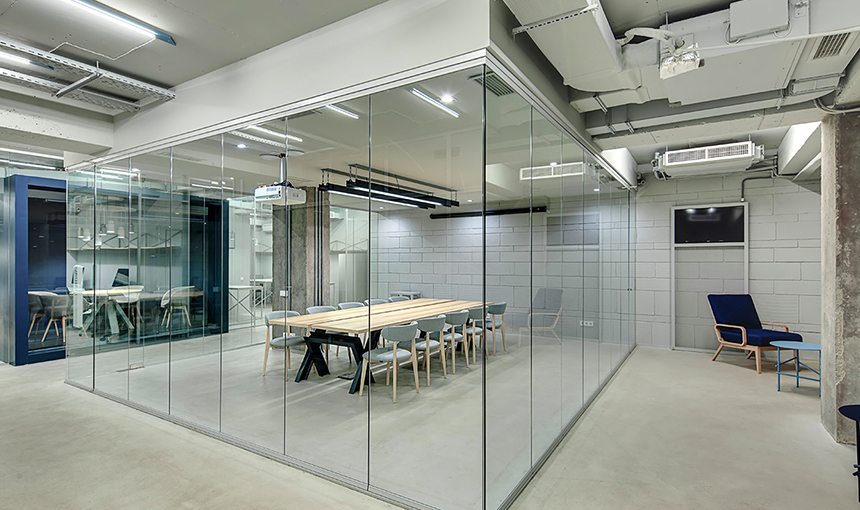
In order to create a home or business’s feeling of space, natural light, and connection, modern architectural design stresses open-plan living. These trends remove traditional limitations, therefore encouraging interaction and generating flexible regions. This intended transparency comes with a huge, usually underappreciated problem: noise. Without boundaries, ambient noise from one activity—a phone call, a running dishwasher, children playing, or colleagues working together—can easily permeate the whole space and disturb focus, therefore compromising privacy and comfort and productivity. Although open plan’s apparent openness is appealing, its acoustic reality might be less peaceful, which would drive many to look for a way to enjoy the space without the noise.
Accepting Space, Dealing with Sound
Open plan architecture runs counter to sensible physics. Sound waves bounce off floor, ceilings, and simple furniture in open spaces. This absence of physical separation makes one space clearly noisy. A teen’s music may fill a parent’s workplace, or the din of dishwashing in the kitchen could overwhelm the conversation in the living room. Concentrated work and private conversations are difficult with the constant interruptions from phone calls, unscheduled meetings, and office gossip. While ceiling panels, soft furnishings, and rugs help to reduce echo and absorb some sound, they have little effect in preventing noise from spreading and therefore expose individuals to interruption.
The transparent barrier: soundproofing glass doors
Solving the noise problem requires acoustic separation devoid of the positive features of open-plan architecture. One ingenious solution is sound blocking glass doors. Custom materials and construction techniques help sound-blocking glass panels and doors to provide visual separation and acoustic isolation. Key features include laminated glass, often double or triple panes with acoustic interlayers to absorb and block sound. Additionally crucial is glass thickness. The frames and sealing mechanisms of these doors are carefully built to provide a tight barrier when closed, therefore eliminating minuscule gaps around the edge where sound could “flank” or avoid the glass. Airtight seals and layered, specialist glass help to lower sound transmission, thereby creating a quiet zone free from walls.
Two gains: silence and preservation of vision
Sound blocking glass doors in open-plan areas has great power as it offers significant acoustic separation while preserving the visual and pragmatic advantages of the open design. Working quietly in an open living room with a sound-blocking glass door allows you to enjoy natural light and a visual connection to the rest of the house while yet keeping a home office separate. Not feeling “boxed in,” or alone. In an office, these doors may form conference rooms, quiet areas, or offices. Managers could observe the workstation while staff members have privacy for calls or concentration. This unique combination of visual transparency and acoustic opacity produces flexible, multi-functional zones that maintain the open plan’s vast, light-filled feeling and therefore provide the best of both worlds.
Quiet areas, open living—the ideal balance
Open-plan living appeals for the promise of movement, light, and connection. Lack of appropriate noise management might cause this view to become distracting and distressing. Building significant obstacles to establish private areas in an open space inhibits light and views, therefore undermining the open-plan concept and producing divided spaces. While maintaining the architectural and functional benefits of the open plan, sound-blocking glass doors provide the acoustic isolation and noise reduction needed for relaxation, focus, and well-being. They show that open living can be enjoyable, useful, and noise-free by letting people design quiet areas within a larger, shared room.